

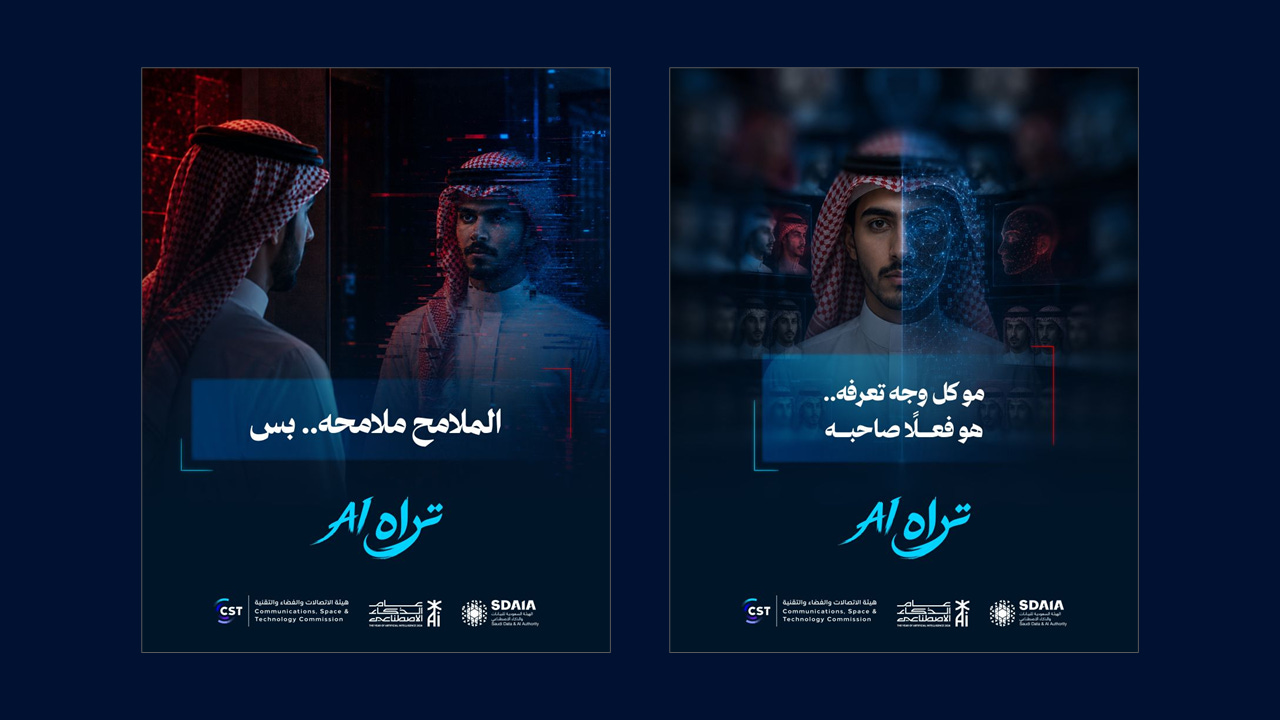
#SaudiArabia #deepfakes - Saudi Data and AI Authority (SDAIA) and the Communications, Space and Technology Commission (CST) have launched “It’s AI”, a public awareness campaign on the risks of AI-generated deepfakes. Beginning this week, the campaign runs as part of Saudi Arabia’s Year of Artificial Intelligence 2026. It aims to encourage people verify digital content before they believe or share it, and to protect their personal data, faces and voices.
SO WHAT? - Some deepfakes are now so convincing enough that sight and sound can’t confirm authenticity. So, the campaign from the two Saudi regulators, telling the public to verify first and share later, is timely. The aim of the campaign seems to be to put the burden on individual behaviour, since the announcement describes no new technical safeguards or rules. The campaign also shows Saudi Arabia treating AI risk as a public education task alongside its nation-wide AI adoption push.
KEY POINTS:
Saudi Data and AI Authority (SDAIA) and the Communications, Space and Technology Commission (CST) have launched a public awareness campaign about deepfake images, called “It’s AI”. The national campaign coincides with Saudi Arabia’s official Year of Artificial Intelligence 2026.
The campaign aims to raise awareness of the risks of AI-powered deepfake technologies and to help the public handle digital content responsibly. It focuses on fake videos and other fabricated content that can look authentic.
It explains what deepfakes are in their various forms. The risks it highlights are misinformation, fraud, identity theft and reputational damage.
The campaign notes that technology can now generate images, video and audio closely replicating people’s appearances and voices. That makes it harder to judge authenticity by sight or sound alone.
SDAIA and CST aim to provide practical guidance covering protecting visual and voice identities and personal data, to help the public spot signs of manipulation, and checking original and trusted sources.
Individuals are urged not to treat a viral video as conclusive evidence just because it shows or sounds like a person. They’re also asked to avoid hastily sharing controversial content.
The authorities say sharing unverified content can spread misinformation and reinforce false narratives.
SDAIA and CST describe the campaign as part of ongoing work to promote safe and responsible use of AI tools. They aim to build a culture of verification and critical thinking as the first line of defence.
ZOOM OUT - Saudi Arabia already has a precedent for punishing misuse of AI-generated images. Last year, the Saudi Authority for Intellectual Property (SAIP) fined an individual SR9,000 ($2,400) for using AI to modify someone else’s personal photograph and publishing it without consent. It was the first reported AI-related copyright fine in the Kingdom. The case was handled under the existing Copyright Law (Royal Decree No. M/41), without any new legislation. Saudi Arabia currently has no dedicated AI law, although much work is going into developing national AI governance policies. In the meantime, AI applications must comply with copyright, personal data protection and anti-cybercrime rules.
[Written and edited with the assistance of AI]
Source: SPA
Read more SDAIA news:
NVIDIA halves Saudi dialect errors with SDAIA dataset (Middle East AI News)
Saudi Arabia ramps up AI professional badge certifications (Middle East AI News)
Saudi Arabia adds 50 AI units to curriculum (Middle East AI News)
SDAIA opens AI professional badge registration (Middle East AI News)
SDAIA guide catalogues 100+ types of AI bias (Middle East AI News)